
You can already confidently name the top ten cities in the world with the most expensive real estate. The cost of square meters demonstrates how well the citizens of a particular country live, because without a high level of earnings, they would hardly be able to afford to admire views of the Thames or ancient Chinese pagodas from their windows. In addition to the cost of housing, there are other factors that allow us to judge the level of development of a country, the satisfaction of its inhabitants and how attractive it is to purchase real estate for permanent residence.
Today we want to touch on the issue of transport links. A person spends a huge part of his life on the road. An office, an educational institution, a hospital, a gym and even an ordinary park are not always located under the house, so any of us is faced with the fact that we have to leave our favorite area and go beyond it to solve work issues and organize leisure time. How comfortable this path will be reflects the concept of urban mobility. Which city do you think can boast the most convenient transport interchange?
The most mobile cities in the world
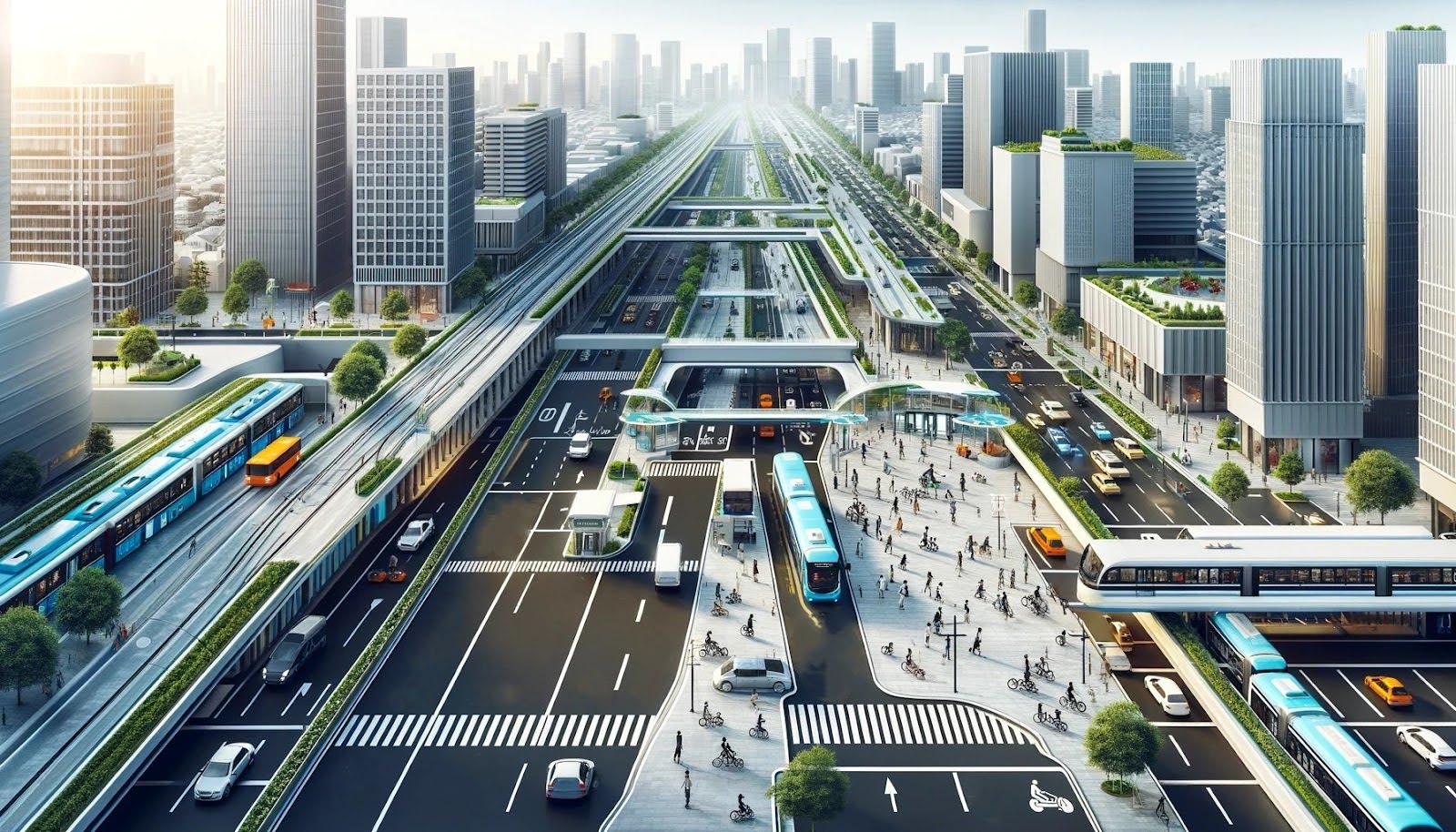
The rating of cities according to the level of development of their transport interchanges was compiled by the joint efforts of several organizations. The University of California at Berkeley and the Oliver Wyman Forum think tank became interested in the question of how convenient it is to move from point A to point B. For analysis, they took 65 of the world's largest cities. This approach is quite reasonable because by analyzing busy and densely populated megacities, one can already get an idea of how well the country copes with increased traffic and the needs of the population. To form your own Urban Mobility Readiness Index they analyzed the following features of urban transport infrastructure:
- accessibility and ease of use, that is, sufficient routes connecting key points;
- efficiency and effectiveness of transport networks, the ability to operate continuously, withstand risks and respond quickly to crisis situations;
- social impact, including environmental, economic, and ease of doing business;
- market attractiveness and competitiveness of companies providing services;
- availability of government funding for the development of the transport system;
- range of public transport;
- innovativeness of the transport network and its openness to new technologies.
Based on the analysis of such characteristics, experts formed a list of ten finalists who scored the maximum number of points on all points:
1️⃣ Helsinki (Finland)
2️⃣ Amsterdam (Netherlands)
3️⃣ Stockholm (Sweden)
4️⃣ San Francisco (USA)
5️⃣ Munich (Germany)
6️⃣ Singapore (Singapore)
7️⃣ Zurich (Switzerland)
8️⃣ Paris (France)
9️⃣ Copenhagen (Denmark)
🔟 Berlin (Germany)
Analysts indicate that when analyzing the public transport system itself, Hong Kong took first place. More than 70% of all movements around the city are made with its help. In terms of quality, Zurich received the silver medal, where only 41% of all movements within the city are by public transport. This is a pretty good indicator, but, compared to last year, the city’s overall rating has decreased slightly, so it only took seventh place in the ranking.
Unlike Zurich, Helsinki has only become better over the year and moved from the previous third place to the top of the podium. The city received top marks for its bike lanes, extensive rail network, significant government financial support and abundance of car-free zones. They want to make the Finnish capital more environmentally friendly, so significant efforts are being made to switch to autonomous and electric vehicles that will not pollute the atmosphere with harmful emissions.
Another city that pleasantly surprised experts was Amsterdam. It is rapidly approaching the status of an ideal living space. Last year, it only ranked sixth in the Urban Mobility Readiness Index, but has now moved to second. This “elevator” by as many as four points says a lot about the Netherlands.