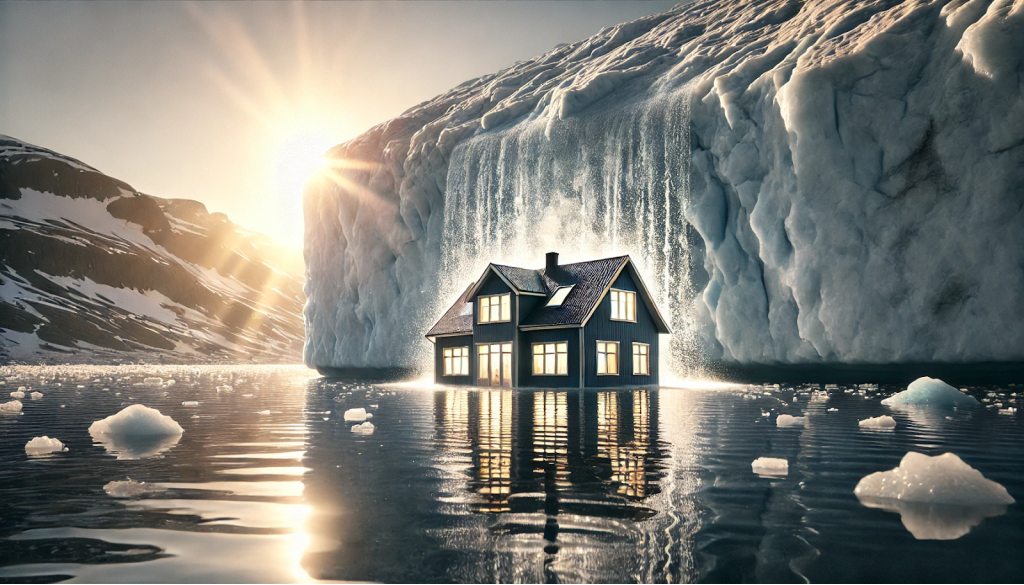
Climate change has a significant impact on many aspects of human life, and the real estate market is no exception. Phenomena such as rising temperatures, increased frequency of natural disasters, rising sea levels and unpredictable weather conditions are causing major changes in real estate demand and values. The risk of floods, wildfires and other disasters is causing both owners and developers to reconsider their investment in real estate in high-risk areas.
Climate change and its impact on property insurance
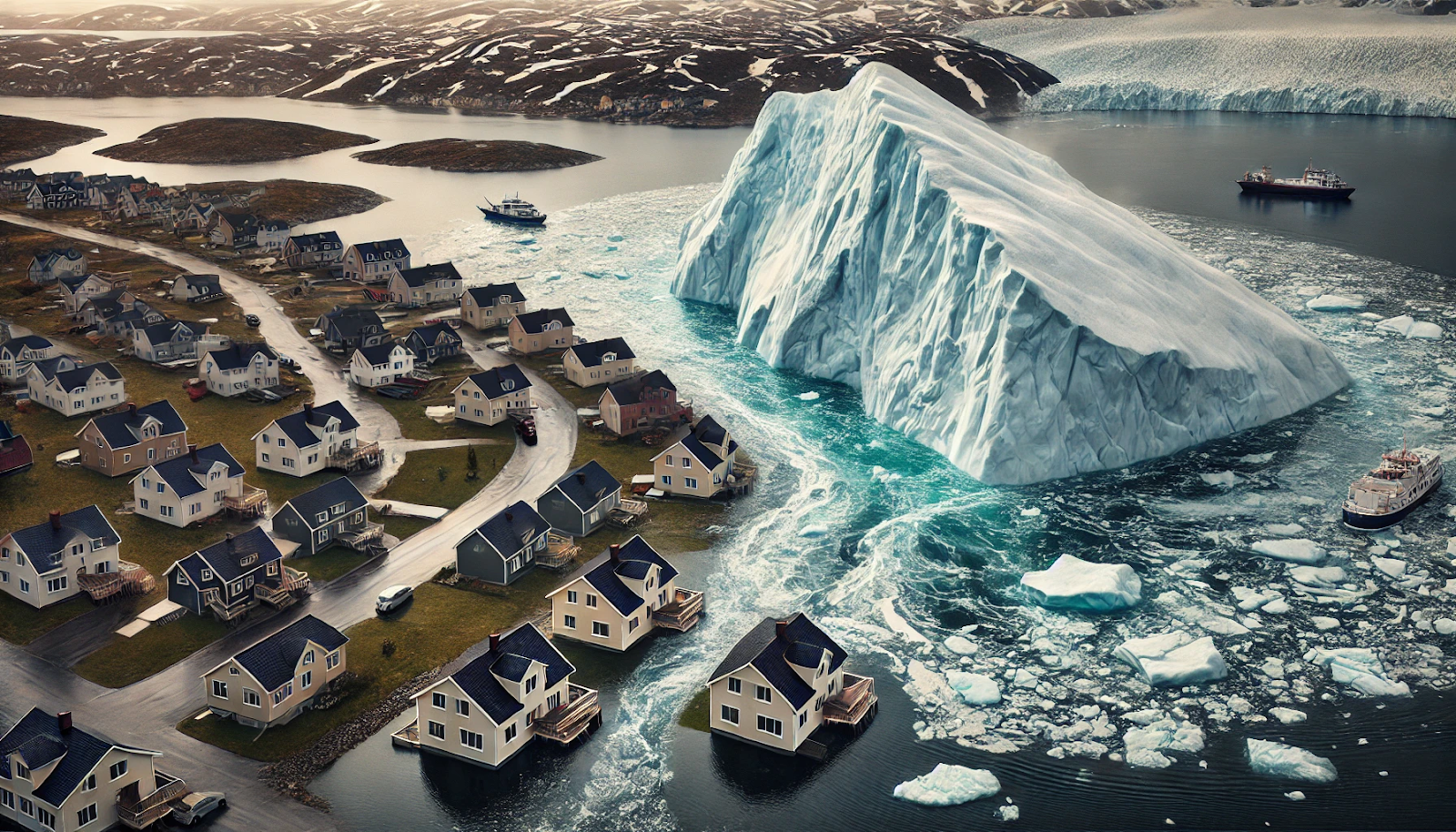
One of the main factors affecting the real estate market in the face of climate change is the increase in the cost of insurance. Only in USA the risk of wildfires and floods requires $28.7 billion in additional insurance annually. This poses significant financial risks to property owners, especially those whose homes and businesses are located in high-risk disaster areas.
Consequences of climate change for the real estate market:
- High cost of insurance. Property owners in risk areas are faced with the need to significantly increase insurance costs. For many, this becomes an unbearable burden.
- Declining real estate prices. In high-risk areas, housing prices are declining. This is due to the high cost of insurance and the risk of property destruction due to natural disasters.
- Reduction of private insurance companies. Private insurance companies are gradually withdrawing from high-risk markets, forcing owners to rely on government insurance programs. However, such programs often turn out to be much more expensive.
Thus, climate change is already creating significant economic obstacles for property owners, developers and states that are forced to respond to new challenges.
Government Policy Regarding Climate Change
Another important aspect related to climate change is government policies aimed at reducing construction in areas with a high risk of natural disasters. Restricting construction in such areas certainly reduces the risks for new homes, but creates other problems, such as:
- shortage of land, and accordingly housing shortage – in many countries where land is a limited resource, construction bans in risk areas can lead to a sharp increase in the prices of new buildings and a decrease in their total quantity;
- growing demand for “safe” zones – demand for real estate in areas considered less vulnerable to climate hazards increases sharply, which also leads to rising prices in these places;
- buyer caution - potential buyers are forced to pay more attention to the choice of areas for purchasing a home. For example, it is important to study local news, consult with realtors, and learn about risks from local residents.
This holistic approach to climate risk assessment and real estate policy change is becoming a key factor in shaping the future of the market. Climate change has become a real “time bomb” for the real estate market. Their impact is already being felt in the form of rising insurance costs, lower property prices in risk areas and changes in government policy regarding construction. It is critical for buyers, owners and developers to consider these factors when making decisions to minimize risk and protect their investment in a changing climate.